
Ask most gym operators about hygiene, and they will point to the wipe station by the free weights. It is a reasonable place to start, but it is a long way from a proper hygiene regime.
Gyms concentrate the factors that spread infection efficiently. Warm, damp environments, large numbers of shared touchpoints, and direct skin contact with equipment someone else has just used. Members notice when a facility is not on top of it. At F2 Medical Supplies, we supply cleaning and hygiene consumables across clinical and commercial settings, and this guide explains how to make those product decisions properly.
Cleaning And Disinfecting Are Not The Same Thing
Cleaning is the physical removal of dirt and organic matter such as sweat. It is essential, but on its own it does not kill pathogens. Disinfection destroys pathogens on a surface. The order matters, because contamination physically blocks a disinfectant from reaching what lies beneath it.
This is standard infection control practice rather than a fitness industry idea. NHS England’s National Infection Prevention and Control Manual specifies a fresh solution of general-purpose neutral detergent in warm water for routine cleaning, changed when it becomes dirty or when switching tasks, with detergent wipes acceptable for frequently touched sites. Notably, the manual does not recommend routine disinfection of the general environment, reserving chlorine-based disinfection for sanitary fittings.
That is a useful corrective for gyms, where the instinct is to reach for disinfectant on everything. Cleaning properly and frequently does most of the work.
Contact Time Is The Detail Most Sites Get Wrong
Every disinfectant has a stated contact time, the period it must remain wet on a surface to work effectively. A member who sprays a bench and immediately wipes it dry has removed the sweat but left the pathogens behind.
Contact times vary considerably between products, and the label is the only reliable source. We recommend building your cleaning schedule around the actual contact time of the product you buy, and training staff to let surfaces air dry where the instructions allow it. If your current product needs longer than your team can realistically give it, change the product rather than pretending the process works.
Reading The Standards On The Label
Efficacy claims let you compare products honestly rather than on marketing language. EN 1276 assesses bactericidal activity, requiring at least a five-log reduction, or 99.999 per cent, within the specified contact time. EN 13697 is a tougher surface test where bacteria are dried onto a carrier first, which better simulates real-world contamination. EN 14476 assesses virucidal activity. All three appear in the NHS England list of standards acceptable for products used on blood and body fluid spills.
Where The Risk Actually Sits
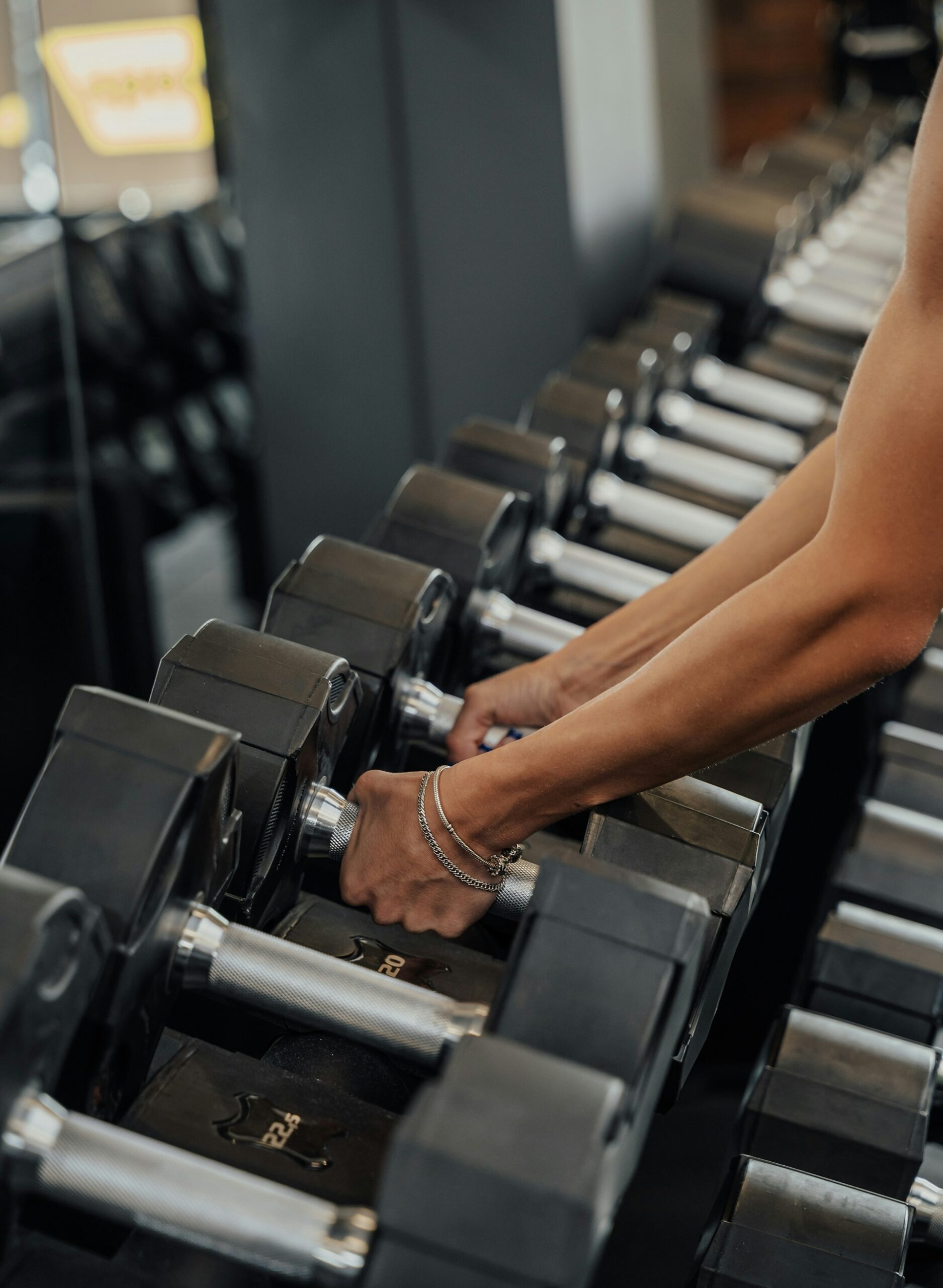
Prioritise door and locker handles, water dispenser controls, free weight bars and dumbbell grips, cardio consoles and rails, bench and mat surfaces, and changing room benches and wet area floors.
Member wipe-down stations are worth having, but they work as an addition to the professional cleaning schedule rather than a replacement for it. Any facility depending entirely on members to keep equipment clean is relying on the least accountable people in the building. Keep stations stocked and top them up before they run dry.
F2 Medical Supplies stocks disinfectant surface wipes, disposable gloves and paper products suited to gyms and leisure facilities, with free mainland UK delivery on orders over £60. Browse the range online or speak to our team to help choose the right products.